






The ultimate checklist to know if your windows are ready for this winter
The arrival of cold weather puts the quality of windows in any home to the test. Poorly insulated windows can increase heating costs, cause condensation, and reduce indoor comfort. Therefore, it's essential to check their condition before temperatures drop. This guide presents a comprehensive checklist to help you determine if your windows are ready for winter, especially useful if you're looking to improve thermal insulation, reduce energy loss, and maintain a warm environment at home.
1. Check the status of the profiles
PVC or aluminum profiles with thermal break (Thermal Break) are key to preventing cold air leaks.
What should you check?
•That there are no deformations.
•That there are no cracks or deteriorated areas.
•That the joints fit correctly with the frame.
If you notice air leaks or a lack of airtightness, it may be a sign that the profiles need repair or replacement.
2. Check the locking system
A good hardware system ensures a proper window seal, essential for keeping your windows ready for winter. Things to check:
• The handle should operate smoothly.
• The blade must close perfectly without any gaps.
• Anchor points must be firm and free of wear.
A faulty seal can cause heat loss and increase your energy bill.
3. Examine the condition of the weatherstripping or seals
The gaskets are responsible for the airtight seal and are often one of the areas most affected by use and the passage of time. Check:
• If they are hardened or cracked.
• If they have detached from the profile.
• If they allow air to pass through at any point.
If the weatherstripping is deteriorated, replacing it is a simple intervention with a great impact on thermal insulation.
4. Check the type of glass
Glass is one of the most determining elements in the thermal behavior of a window.
Make sure your windows have:
• Double glazing or triple glazing.
• Low-emissivity (low-e) glass to improve energy efficiency.
• Chambers filled with argon gas to reduce heat loss.
If your windows still have single glazing, the difference in comfort and savings you'll notice when you replace them is enormous.

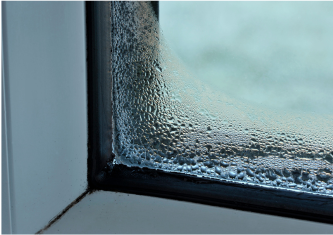
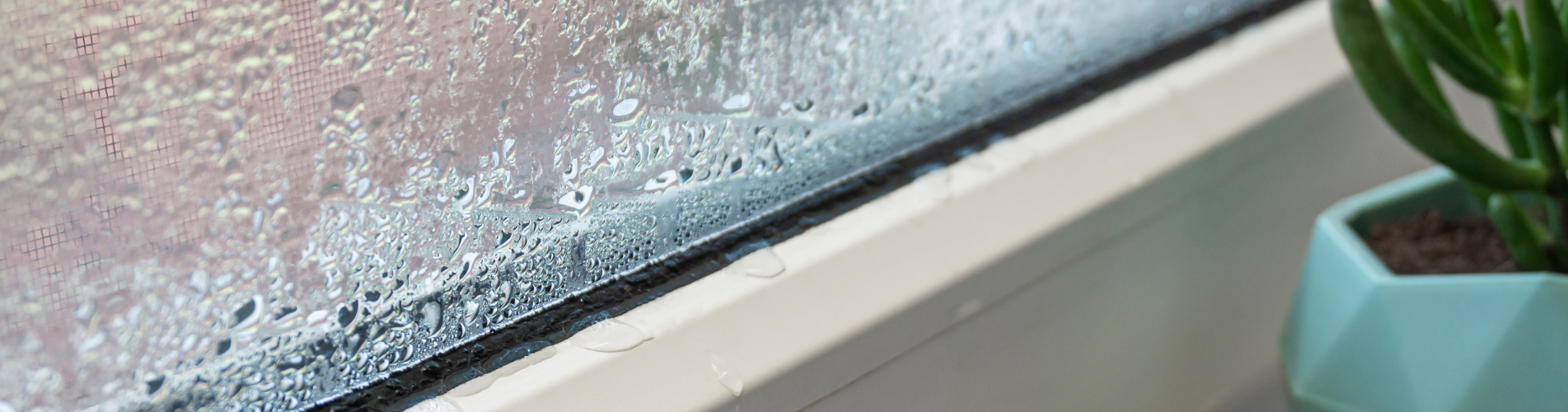
5. Check for condensation
Condensation on windows or frames indicates a lack of insulation or a thermal bridge. Warning signs:
• Drops on the glass in the mornings.
• Dampness at the edges.
• Mold at the junction between window and wall.
This problem is usually solved with good glazing and suitable profiles.
6. Evaluate the presence of outside noises
Although it may seem like a minor detail, sound insulation also reflects a window's airtightness. If you notice more noise than usual coming in, your windows may have lost their sealing capacity. A properly installed window filters both noise and cold air.
7. Check the installation and perimeter sealing
Proper installation is just as important as the window itself. A poor seal can ruin even the best frame or the best glass. Check:
• If there are gaps between the frame and the wall.
• If the exterior seal has cracked.
• If air is noticeably entering the corners.
A damaged seal can be corrected without replacing the entire window.8. Evaluate the energy performance of your current windows
A modern, high-efficiency window can reduce winter energy losses by up to 40%. If your windows are more than 15 years old, they likely no longer meet current insulation standards. Investing in new windows with PVC or aluminum thermally broken profiles and high-performance glazing can significantly increase comfort and lower your heating bills.
Conclusion: Are your windows ready for this winter?
If, while reviewing this checklist, you've noticed drafts, condensation, problems with the seals, or inefficient glass, it might be time to replace your windows. Windows that are ready for winter not only improve thermal comfort but also increase energy efficiency, reduce consumption, and enhance your home's value.
