








International Day for the Preservation of the Ozone Layer: A reminder to build sustainably
Every September 16th, the International Day for the Preservation of the Ozone Layer is celebrated, a day promoted by the United Nations to remember the importance of protecting this layer of the atmosphere that shields us from ultraviolet rays. Thanks to the Montreal Protocol, adopted in 1987, the use of substances that damaged the layer has been reduced, and today, clear signs of recovery are observed.
What is the ozone layer?
The ozone layer is a concentration of ozone molecules (O₃) located in the stratosphere, between 15 and 35 kilometers above sea level. Its main function is to absorb most of the ultraviolet radiation from the sun, acting as a natural shield that protects life on Earth. Without this barrier, the planet would be exposed to excessive harmful radiation that would have serious consequences for ecosystems, human health, and biodiversity.
Energy efficiency and the thermal envelope
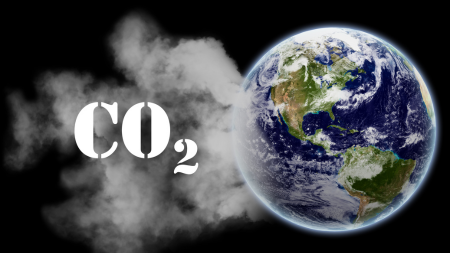
One of the key aspects in reducing polluting emissions is energy efficiency in buildings. The so-called thermal envelope, comprised of facades, roofs, floors, and enclosures such as windows, plays a fundamental role in maintaining a stable interior temperature and reducing heating and cooling consumption. Optimizing this envelope with quality materials and appropriate designs achieves significant energy savings and, consequently, a reduction in the carbon footprint. This translates into less use of fossil fuels, which are one of the main sources of gases that damage the atmosphere and, indirectly, the ozone layer.
The role of sun protection elements
In addition to enclosures, other elements such as awnings and blinds contribute to a more efficient home. These systems allow for controlled solar radiation, preventing overheating in summer and thus reducing the need for artificial air conditioning. This not only improves comfort but also reduces energy consumption and associated emissions.
Sustainability beyond architecture
Talking about sustainability implies a holistic approach: from the design and construction of buildings to the daily use of resources. Choosing durable products, investing in renewable energy, and responsible consumption are all part of a single commitment to the environment. Every step counts: from intelligently ventilating a home to opting for shade under an awning instead of turning on the air conditioning. All of these actions, combined, have a positive impact on the environment and bring us closer to a more balanced future.
Conclusion
The International Day for the Preservation of the Ozone Layer is an opportunity to reflect on how our daily decisions impact the planet. Improving the energy efficiency of buildings, reinforcing the thermal envelope with suitable windows, and optimizing solar protection systems such as awnings and blinds are concrete steps toward more environmentally friendly architecture. Sustainability is not a passing trend, but the only way to ensure the quality of life for present and future generations.
